In the field of interior design, there is a famous saying: "Lighting is the soul of space and the last makeup of decoration." Good lighting can reshape the structure of space, enhance the texture of furniture, and even heal emotions; Poor lighting not only damages appearance, but also damages vision.
Today, Fredlighting will take you to rediscover indoor lighting and master these "underlying logics".
1、 Farewell to 'One Lamp Walks the World': Understanding the 'Three Layer Lighting Method'
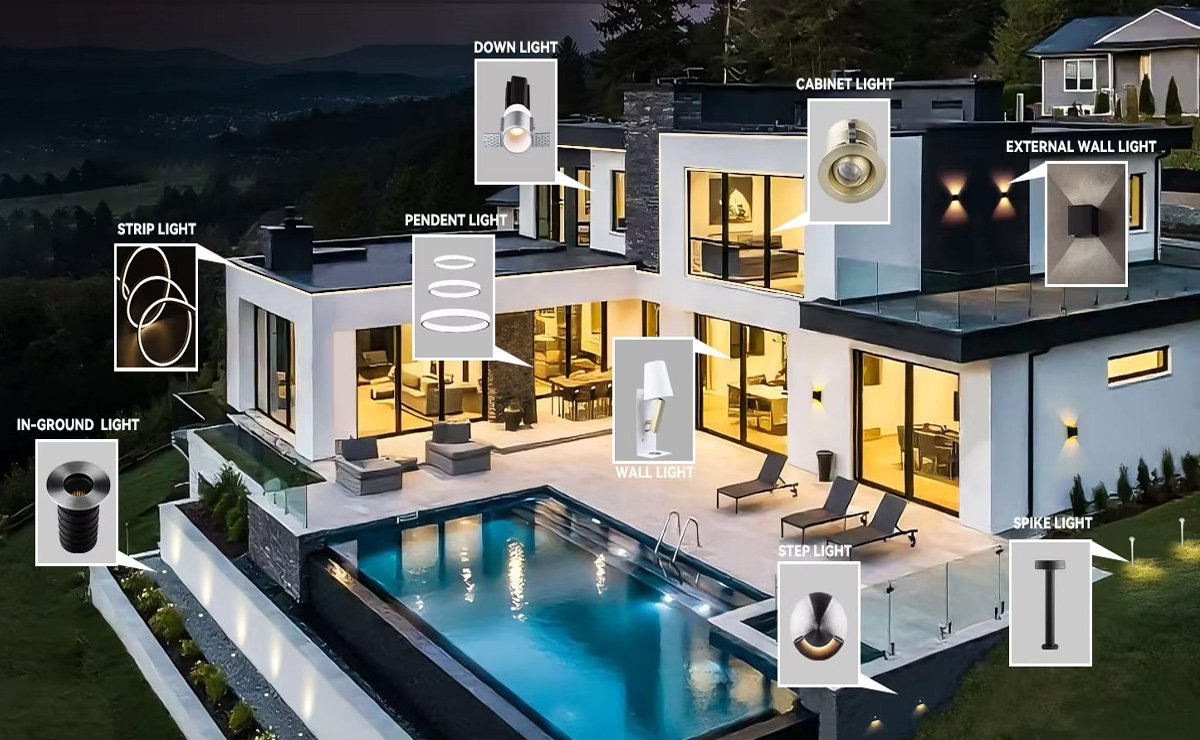
Traditional decoration often involves hanging a large headlight in the middle of the room, which is called "basic lighting". But in modern design, this is far from enough. Professional indoor lighting emphasizes the principle of "seeing light but not the light" and follows the three-layer lighting principle:
-Fred's suggestion: Use it to illuminate hanging paintings, photo walls, decorations, or special wall materials. The brightness of key light is usually about three times that of ambient light.
3. Task Lighting:
-Function: To meet specific job needs, such as reading, cooking, and grooming.
-Form: Desk lamp, floor lamp, light strip under kitchen cabinet, bathroom mirror front lamp.
-Fred's suggestion: This is the light that requires the most "precision", and it must ensure no glare, high color rendering (Ra>90), and protect the eyes.
2、 Core parameter: Understanding the "ID card" of lighting
-Color temperature (CCT): determines the atmosphere.
-3000K (warm light): Like a sunset, warm and relaxing. Suitable for bedrooms and dining rooms.
-4000K (neutral light): Like morning sunlight, refreshing and bright. Suitable for living rooms, kitchens, and study rooms.
-6000K+(cold light): Like the scorching sun at noon, clear and serious. Usually used only in bathrooms or special work areas, it is advisable to use it sparingly for household use, as it may appear like an office or fast food restaurant.
-Color rendering index (CRI/Ra): determines realism.
-Ra>90: High quality light that can restore the true color of objects (especially food and faces).
-Ra<80: Poor quality light, it will change color when viewed (such as meat not looking fresh, lipstick color incorrect).
-Fred's suggestion: Try to use lighting fixtures with Ra90 or higher throughout the entire house.
-Anti glare (UGR): determines comfort.
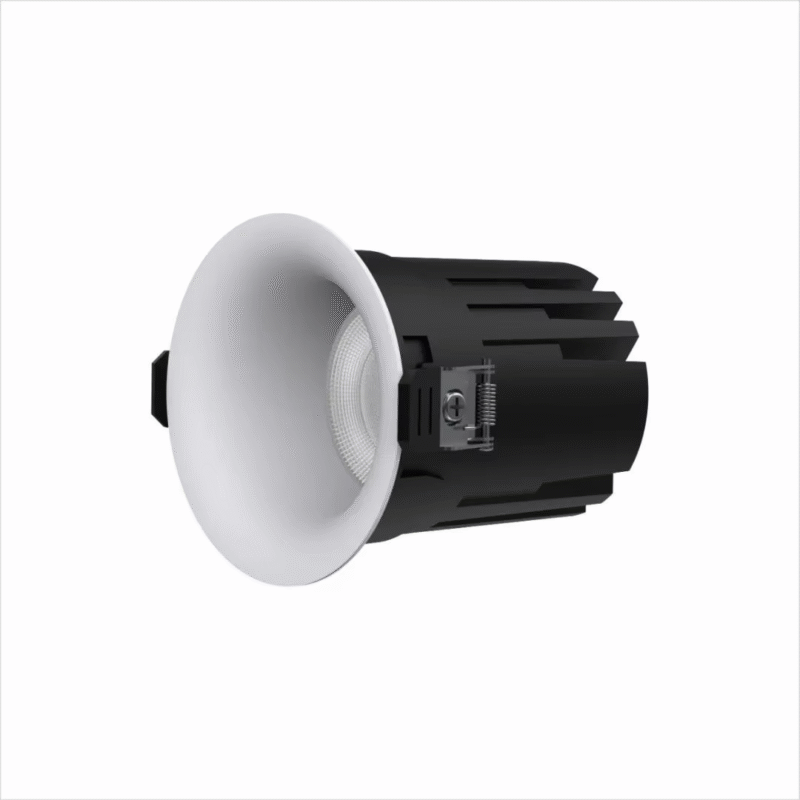
-If you don't feel dazzling when looking directly at the lighting fixture, it means that the anti glare is done well. The popular "deep anti glare spotlights" nowadays are designed to avoid "dead from light exposure".
3、 Scene based practical experience: lighting design ideas for different spaces
1. Living room: Refuse the "big white roof"
-Misconception: A huge crystal chandelier hanging in the middle lights up like a lantern and creates a huge shadow area.
-Correct solution:
-Sofa background wall: Use wall wash spotlights to create light spots and increase the three-dimensional effect.
-Tea table/reading area: Paired with a well-designed floor lamp, it meets the needs of reading or playing with your phone.
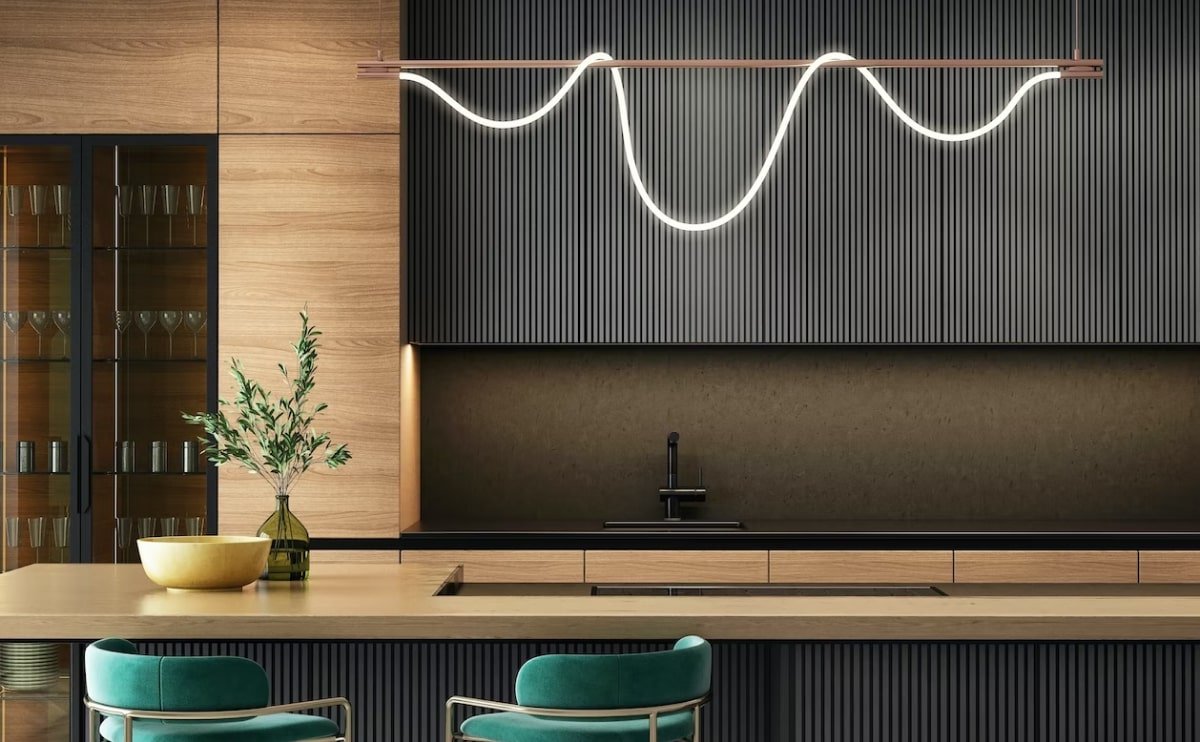
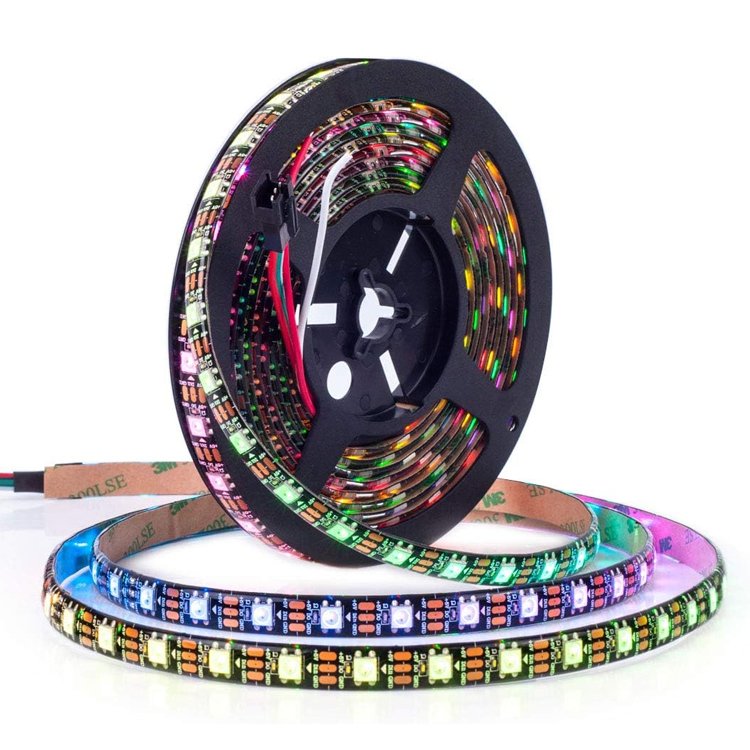
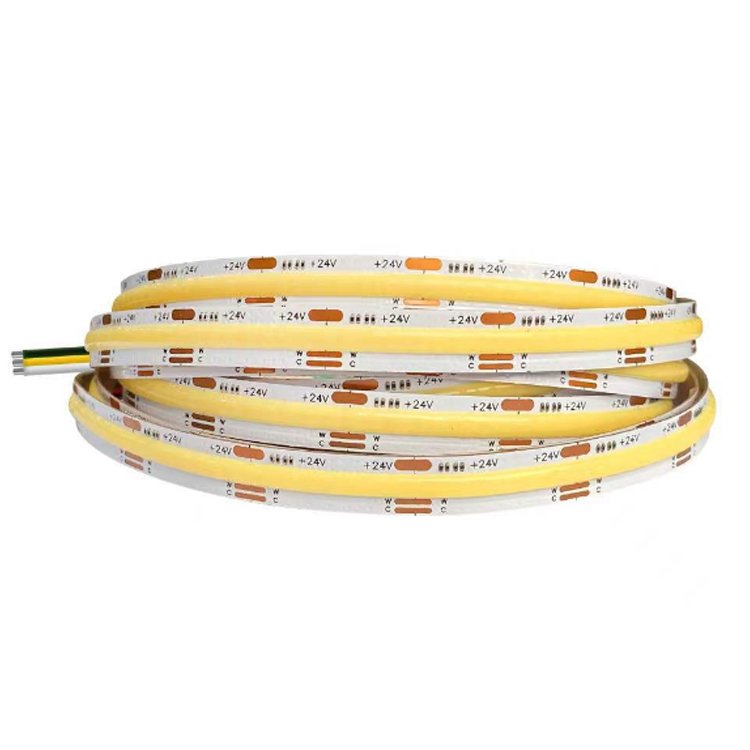
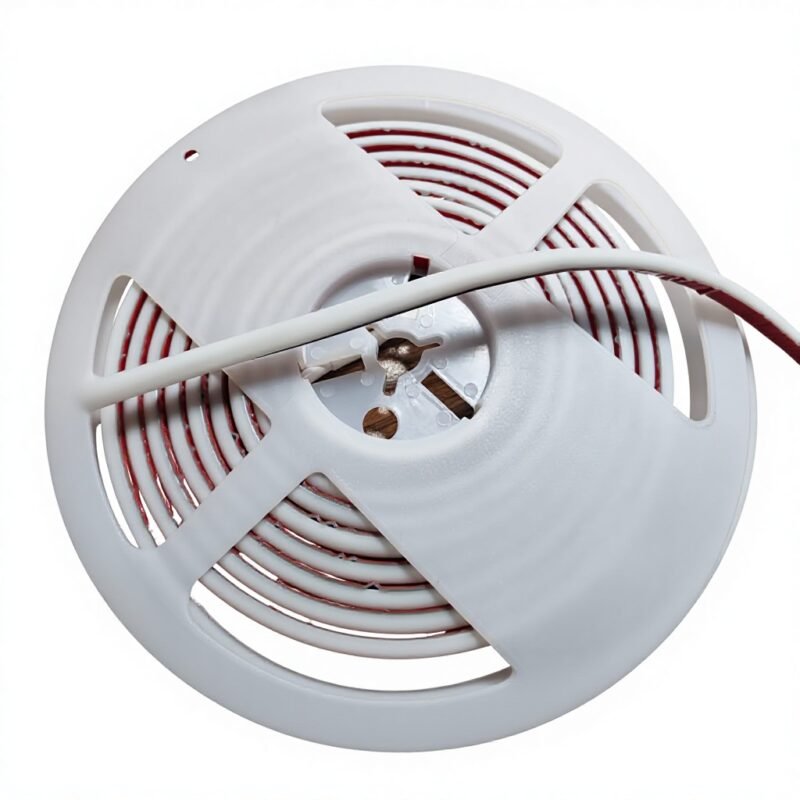
-Ceiling/cabinet: Add linear tape lights to create a "suspended feeling" using reflected light.
2. Restaurant: a catalyst for appetite
-Key: The lighting should be directed towards the dining table, not the face.
-Design: Use pendant lights with high color rendering index (Ra95+), color temperature 3000K-3500K. The light focuses on the food, making Braised pork belly look oily, vegetables look green, and appetite increases greatly.
3. Bedroom: The 'Regulator' of Atmosphere
-Key: Absolute relaxation and privacy.
-Design:
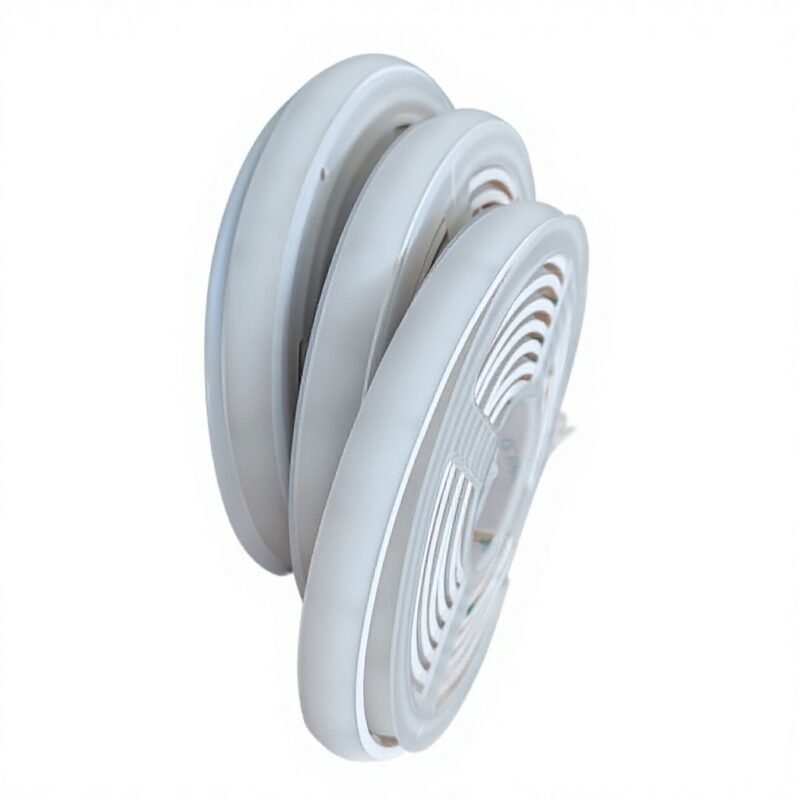
-Main light: Try to use diffuse reflection ceiling lights, or simply do not install main lights and replace them with surrounding light strips.
-Bedhead: Wall lamp or pendant lamp, convenient for reading before bedtime, and do not interfere with each other.
-Night light: Install induction night lights under the bed or hallway to avoid getting up in the dark or waking up your partner.
4. Kitchen and bathroom: safety first
-Kitchen: Layer lights/light strips must be installed under the hanging cabinet! This is the only way to eliminate the shadow on the control panel, cutting vegetables without hurting your hands.
-Bathroom: Mirror lights should not only be installed above the mirror (as there may be eye bags and shadows), it is best to install one on each side or use smart bathroom mirrors with backlighting for clear and natural reflection.
Avoiding pitfalls guide: 3 common mistakes in decoration
1. Chaotic lighting colors: The living room uses 6000K, the bedroom uses 3000K, and the hallway uses 4000K. The whole house looks like a hodgepodge, with a very vivid visual effect. It is recommended to have a uniform color temperature throughout the entire house, or to make minor adjustments only in specific functional areas.
2. Blindly greedy for high wattage: Nowadays, LED lights are very bright. For a 20 square meter living room, perhaps 10 3W tube lights are enough. The wattage is too high, making the room look like a steamer in summer and prone to light pollution.
3. Ignoring intelligent control: Nowadays, lighting is not just a "switch". It is recommended to reserve an intelligent dimming system that can switch between "viewing mode" (dimming lights), "guest mode" (fully on lights), and "away from home mode" (one click off) with just one click. This is the future way of life.
Lighting design is not mysticism, but a science about "light and shadow".
As Fredlighting, we always believe that good lighting design is not about showing off the existence of lamps, but about making light serve life perfectly. It should be invisible, yet it is everywhere enhancing the quality of your life.
If you are worried about the lighting at home, why not stop and think: What is the thing I most want to do in this space? The answer is the starting point of lighting design.