
Led Grow Light

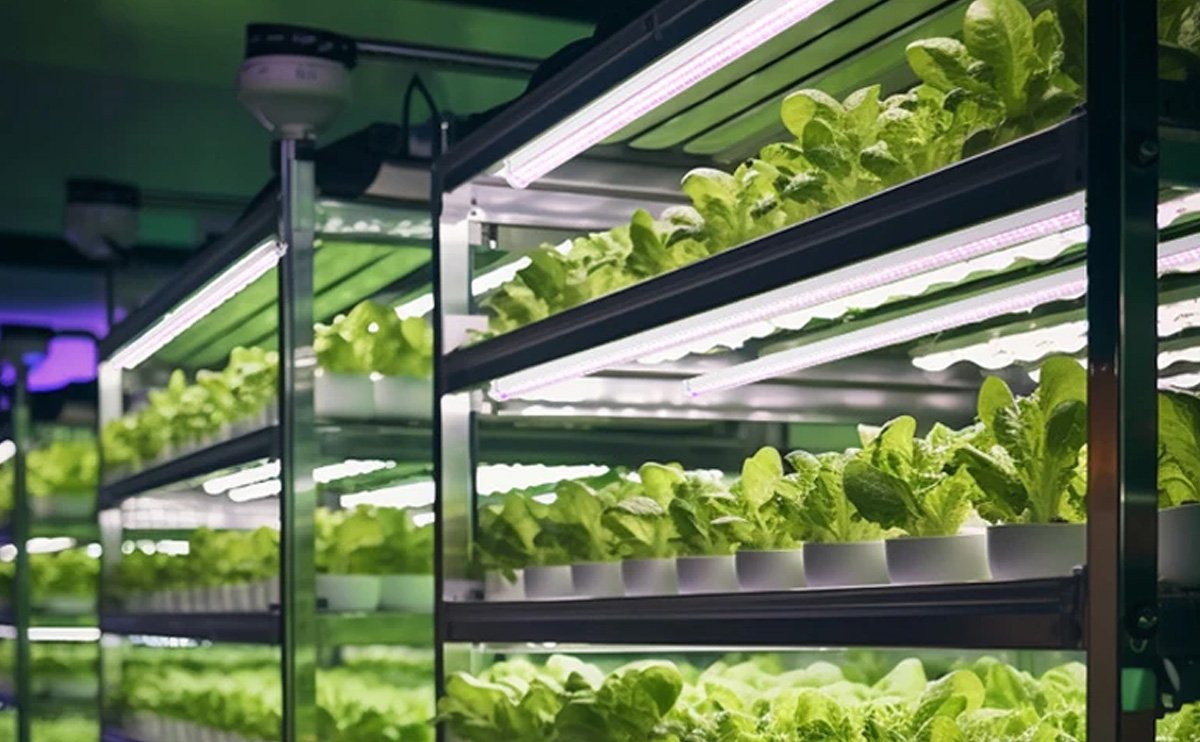
Sunlight contains multiple wavelengths such as red, orange, yellow, green, cyan, blue, and violet. Plants do not treat all colors of light equally.
-Blue Light (400-500nm):
-Function: It mainly promotes the growth of plant stems and leaves (nutritional growth), helps plants synthesize chlorophyll, and makes leaves greener and more compact.
-Scenario: Suitable for sowing period, seedling period, and green plants that require ornamental leaves (such as green ivy, turtle backed bamboo).
-Red Light (600-700nm):
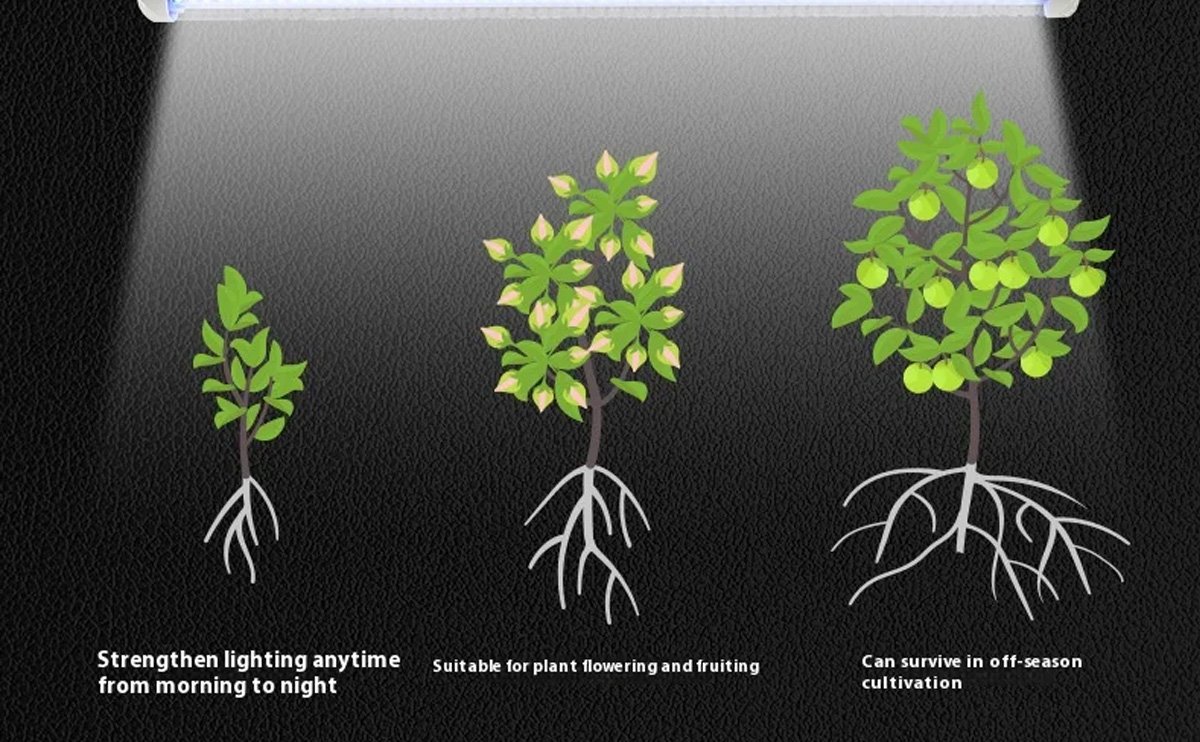
-Function: It mainly promotes the flowering, fruiting, and root and stem growth (reproductive growth) of plants. It can greatly improve the efficiency of photosynthesis.
-Scenario: Suitable for coloring succulent plants, flowering and fruiting periods of fruits and vegetables such as strawberries and tomatoes.
-Full Spectrum:
-Function: Simulate the complete spectrum of sunlight. In addition to red and blue light, it also includes visible green and yellow light to the human eye.
-Advantages: It can meet the needs of plant growth and make the human eye look more comfortable and natural, without emitting strange pink purple light like pure red and blue light.
Early plant fill lights included incandescent bulbs, fluorescent bulbs (CFL), and high-pressure sodium bulbs (HPS), but now LED has become the absolute mainstream.
1. High energy efficiency ratio: LEDs can convert the vast majority of electrical energy into the light needed by plants, rather than heat.
2. Low heat generation: Traditional high-pressure sodium lamps are like a large oven, which can easily damage plants; LED can illuminate up close without burning the blades.
3. Long lifespan: High quality LED plant lights can have a lifespan of over 50000 hours.
4. Small size and good heat dissipation: easy to install in various narrow spaces (such as shelves and cabinets)
Please pay attention to the following three core parameters when purchasing plant lights:
1. PPFD (Photosynthetic Photon Flux Density) - the most important indicator
Many merchants only label "wattage (W)", which is often a trap. The wattage represents power consumption, not the intensity of light.
-PPFD represents the actual number of effective photons received on the surface of plant leaves.
-Suggestion: When making a purchase, be sure to ask customer service for the PPFD chart.
-Low light plants (ferns, green vines): PPFD>100-200
-Medium light plants (succulents, leafy vegetables): PPFD>300-500
-Highlighting plants (tomatoes, peppers, roses): PPFD>600-1000
2. Spectrum
-Red blue light (pink purple light): High cost performance, strong targeting (such as for seedling cultivation), but unfriendly to the human eye, placing it in the living room affects aesthetics.
-Full spectrum (white light): Strong universality, good color rendering, comfortable to the human eye, suitable for home environments.
-Suggestion: Full spectrum is preferred for home gardening.
3. Heat dissipation and waterproofing
-Plant lights usually need to be turned on for a long time (10-14 hours per day), and poor heat dissipation can lead to severe light decay and shortened lifespan.
-If used in hydroponics or high humidity environments, be sure to choose lighting fixtures with high waterproof rating (IP65 or above)